
Home Services in Texas City, TX
Get top-rated HVAC, electrical, and generator services in Texas City, TX. We restore your home's comfort and safety quickly. Call today.
Dealing With Failing AC Units, Unreliable Power, and High Humidity in Texas City?
Are you dealing with an air conditioner struggling against the coastal heat, frequent power grid drops during Gulf storms, or poor indoor air quality making your home uncomfortable? Texas City homeowners and businesses face a unique set of environmental challenges, requiring home systems that are built and maintained to handle the heavy strain of the Galveston Bay climate. Mackey Services is headquartered just up the road in Dickinson, providing expert solutions to keep your property comfortable, safe, and fully powered year-round.
Comprehensive HVAC, Electrical, and Generator Services for Texas City
Air Conditioning
We restore reliable cooling and efficiency to properties battling intense Gulf Coast temperatures.Heating
We ensure your property stays warm and comfortable during unexpected winter cold fronts.Heat Pumps & Ductless Systems
We provide targeted, energy-efficient climate control solutions for specific rooms or whole-property comfort.- Heat Pump Repair & Service
- Heat Pump Installation & Replacement
- Heat Pump Maintenance & Tune-Up
- Ductless Mini-Split Repair & Service
- Ductless Mini-Split Installation & Replacement
- Ductless Mini-Split Maintenance & Tune-Up
Indoor Air Quality
We help you manage coastal moisture and airborne contaminants to create a healthier indoor environment.- Indoor Air Quality Assessment & Service
- Smart Thermostat Installation & Service
- Whole-Home Air Purification
Electrical
We resolve safety hazards and upgrade outdated systems to handle the heavy electrical loads of modern living.Backup Generators
We keep your property powered and protected when severe weather or grid failures knock out the local supply.Commercial HVAC
We minimize downtime and protect your bottom line with robust climate control solutions designed for local businesses.- Commercial HVAC Repair & Service
- Commercial HVAC Installation & Replacement
- Commercial HVAC Maintenance & Tune-Up
How the Texas City Coastal Environment Stresses Your Home Systems
The biggest threat to home comfort systems in Texas City is the constant exposure to salt air blowing directly off Galveston Bay. This heavy, salt-laden breeze accelerates corrosion on outdoor condenser coils and exterior electrical components at an alarming rate.
Properties situated close to the water often experience premature equipment breakdown if their exterior units are not properly treated and aggressively maintained. We see this exact scenario play out constantly across local neighborhoods where standard equipment simply rots away from the inside out.
The Destructive Nature of Coastal Salt Air
Living right on the edge of the Texas Gulf Coast means your property enjoys beautiful breezes that unfortunately carry highly corrosive salt particles. When these particles settle on the delicate aluminum fins and copper tubing of your exterior cooling equipment, they initiate a rapid chemical reaction.This corrosion eats away at the metal, leading to microscopic refrigerant leaks and a massive drop in overall cooling efficiency. Over time, the compressor has to work twice as hard just to maintain a baseline level of comfort inside your living spaces.
Unpredictable Power Grids and Severe Weather Threats
Beyond the salt air, local homeowners frequently deal with an unpredictable power grid that struggles to keep up with intense regional demands. Sudden surges and rolling outages during severe Gulf storms make robust electrical protection absolutely essential for protecting your property.When the grid drops and suddenly kicks back on, the resulting power surge can instantly fry sensitive circuit boards inside modern appliances and climate control systems. This is why we strongly recommend comprehensive surge defense strategies for every home in the area.
The Necessity of Reliable Standby Power
Losing electricity during a sweltering afternoon or a freezing night is more than just a minor inconvenience for your family. Extended outages threaten your safety, your comfort, and the structural integrity of your property.Having a long-term, automatically engaging standby power solution ensures that your lights stay on and your cooling system keeps running regardless of what happens to the municipal grid. You never have to worry about manually hooking up a portable unit in the middle of a torrential downpour.
Battling Relentless Indoor Humidity
Because the coastal humidity remains high year-round, climate control systems are forced to work overtime to remove heavy moisture from the air. This constant dehumidification process leads to premature wear and tear if the equipment is not aggressively maintained by a professional.When a cooling system is improperly sized or struggling with restricted airflow, it fails to extract enough moisture, leaving your home feeling sticky and uncomfortable. High indoor humidity also creates the right breeding ground for airborne contaminants that degrade your overall breathing environment.
The Hidden Danger of Sweating Ductwork
The intense humidity in our region does more than just make your living room feel uncomfortable during the peak heat of the day. When super-cooled air travels through ductwork situated in a sweltering attic, it can cause the exterior of the ducts to sweat profusely.This condensation drips onto insulation and drywall, creating hidden moisture problems that compromise the structural integrity of your ceiling. Properly sealed and insulated ductwork is vital for preventing this specific coastal phenomenon from damaging your home.
Petrochemical Industry Influences on Indoor Air
Texas City is proudly driven by a massive local petrochemical industry that provides incredible economic stability to the entire region. However, living in close proximity to major industrial facilities means that your home is regularly exposed to higher levels of airborne particulates.Standard fiberglass filters simply cannot capture the microscopic pollutants and volatile organic compounds that drift into your neighborhood on a regularly. Advanced filtration and active purification technologies are necessary to keep your indoor breathing environment truly pristine.
The Strain of Continuous Summer Operation
Our extreme summer heat forces cooling equipment to run at maximum capacity for months at a time without a single break. This relentless operation accelerates the wear on critical moving parts like blower motors, capacitors, and compressor contactors.Without aggressive seasonal maintenance, these components inevitably fail during the hottest and most unforgiving weeks of the year. Regular tune-ups ensure that your system can handle the marathon of a Texas Gulf Coast summer without suddenly breaking down.
The Unique Challenges of Historic and Mid-Century Homes
Texas City features a wonderful mix of historic coastal properties, mid-century neighborhoods, and much newer suburban developments. Many of the older homes were built long before modern, high-efficiency appliances became the standard for residential living.These older structures often still rely on outdated electrical panels that cannot safely handle the heavy electrical loads required by today's advanced cooling and heating systems. Upgrading these aging electrical centers is a critical step in preventing tripped breakers and potential fire hazards.
Regional Environmental Factors
The environmental demands placed on your property are not isolated strictly to the immediate coastline along the bay. Properties in neighboring communities like La Marque and Dickinson face the exact same stressors, requiring a professional who truly understands Gulf Coast climate challenges.We navigate these regional challenges daily, ensuring that every piece of equipment we touch is fortified against the harsh elements. Your home deserves infrastructure that is specifically calibrated for the realities of living in this beautiful but demanding area.
Why Texas City Customers Trust Our Local Team
With our office located in the region in Dickinson, Mackey Services offers fast, familiar, and highly responsive support to neighborhoods throughout Texas City. We know the local roads, the regional building codes, and the specific environmental hurdles your property faces regularly.
When you call us, you are getting a dedicated team that treats your home with the same respect and urgency we would give our own neighbors. We take immense pride in our deep roots across the Greater Houston area and the entire Texas Gulf Coast.
Honest Recommendations and Clear Communication
We built our reputation on honest recommendations and crystal-clear communication from the moment we arrive at your front door. Our technicians take the time to explain exactly what is wrong with your system, how we plan to fix it, and what the final cost will be before any work begins.You will never have to deal with high-pressure sales tactics or confusing industry jargon when you choose to work with our team. We believe that an informed homeowner is an empowered homeowner, and we want you to feel completely confident in the decisions you make for your property.
Accurate Solutions Without the Upsell
Our primary goal is to solve your cooling, power, and air quality problems with accurate solutions and highly reliable workmanship. We do not believe in taking operational shortcuts, and we absolutely refuse to push unnecessary upgrades just to pad a final invoice.If a simple repair will safely and effectively restore your system to peak performance, that is exactly what we will recommend. When a total replacement truly is the most cost-effective long-term option, we provide you with all the data you need to make the right choice.
Comprehensive Expertise Across Multiple Trades
Modern homes require a holistic approach to comfort and safety, which is why our technicians are fully trained across multiple essential disciplines. We handle the complex intersection of climate control, electrical infrastructure, and standby power generation seamlessly.Instead of hiring three different contractors to upgrade your panel, install a new cooling unit, and set up a standby generator, you can trust our unified team to manage the entire project. This ensures that every component works together properly and meets strict safety standards.
Consistent and Caring Workmanship
Consistency is the key to our long-lasting relationships with homeowners and businesses throughout Galveston County and the surrounding communities. You can expect the same high level of professionalism, cleanliness, and technical expertise every single time we visit your property.We genuinely care about the comfort and safety of our clients, which drives us to go above and beyond on every single service call. From wearing protective shoe covers to thoroughly testing every circuit, our attention to detail helps support exceptional results.
A Proven Track Record Across the Gulf Coast
Our team serves a massive live 55-area footprint across Greater Houston, giving us unparalleled regional experience and technical insight. We have encountered and resolved virtually every type of mechanical and electrical failure imaginable in this specific coastal climate.This broad operational experience means we never have to guess when diagnosing a complex or unusual issue at your property. We apply proven, field-tested strategies that have successfully kept thousands of homes comfortable, safe, and fully operational.
Seamless Integration of Home Systems
Upgrading an older home often requires a delicate balance between modernizing the electrical supply and installing high-efficiency climate control. Our technicians understand exactly how these distinct systems interact and depend on one another for safe operation.We calculate the precise electrical draw of your new equipment to ensure your current panel can handle the load safely without strain. This comprehensive oversight eliminates the risk of overloaded circuits and frustrating tripped breakers that disrupt your daily routine.
Dedicated Support for Local Businesses
We understand that commercial properties face their own unique set of operational challenges when essential building systems suddenly fail. A broken rooftop unit or a sudden loss of power can force you to close your doors, costing you significant revenue and frustrating your customers.Our commercial services are designed to minimize downtime through 24/7 emergency availability and heavy-duty, commercial-grade solutions tailored to your facility. We protect your bottom line by ensuring your building remains comfortable and operational regardless of the weather outside.
Secure Your Texas City Property Against the Elements Today
Do not wait for a complete system failure or the next major storm to address your home comfort and electrical power needs. The harsh coastal environment will continuously test the limits of your equipment, making proactive care and prompt repairs absolutely essential for long-term reliability.
Reach out to our team today to schedule your service or consultation and ensure your property remains fully protected. Mackey Services is ready to deliver the reliable, high-quality workmanship your Texas City home requires to stay comfortable and fully powered.
What Working in Texas City Is Actually Like
A working industrial city with tight-knit neighborhoods, much of the housing built from the 1950s through the 1980s for refinery and port workers.
Direct salt-air exposure. Salt air measurably shortens outdoor-coil life here — coastal-grade equipment and rinse maintenance are worth every penny.
Mid-century single-story homes on slab, many with original electrical service and decades of incremental HVAC swaps.
- Industrial-corridor air plus bay salt is uniquely hard on condenser fins — annual coil service pays for itself here.
- 1950s–70s era panels and aluminum branch circuits deserve a licensed inspection before any new load is added.
- TNMP delivery territory — we size and commission standby generators around the local service configuration.
Neighborhoods We Work In Around Texas City
Every subdivision has its own construction era — and every era has its own comfort and power personality. Here's what that means street by street.
The 1960s–80s heart of Texas City (median build year 1984) — the prime era for FPE Stab-Lok panels, which we inspect for on every electrical visit.
1960s worker housing with decades of incremental AC swaps — proper sizing fixes comfort and bills at once.
2000s+ waterfront and near-water builds facing direct bay salt — coastal maintenance schedules apply even on newer equipment.
The Homes We Service in Texas City
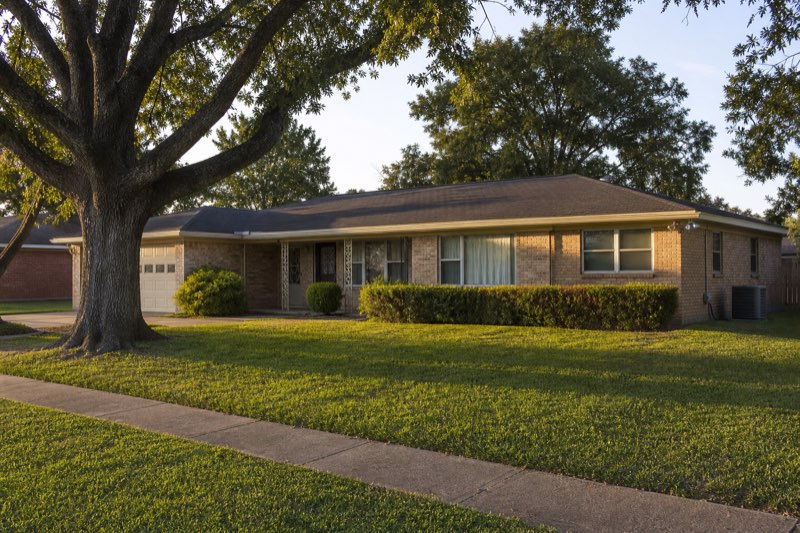
Mid-Century Slab Ranches
Two-thirds of Texas City is detached single-family on slab, most of it mid-century — industrial-corridor air plus bay salt makes annual coil service pay for itself.
Decades of incremental AC swaps leave mismatched systems on 1950s–70s electrical services — proper load calculations and panel inspections come before any new equipment.
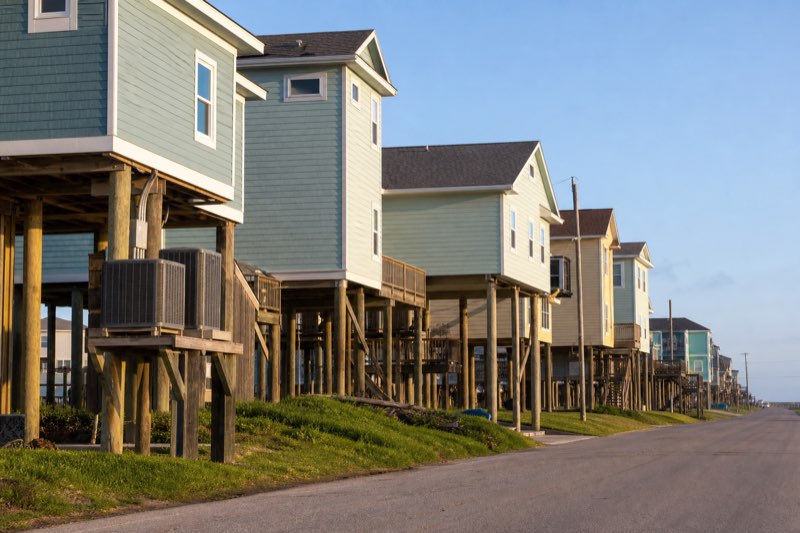
Elevated Coastal Homes
Newer bayfront communities like Grand Cay Harbour bring elevated coastal construction to the mainland.
Stilt construction puts condensers on elevated platforms and air handlers in ventilated spaces — placement, marine-grade fasteners, and salt-rinse maintenance decide how long equipment lives.
Not sure which bucket your home falls into? Tell us the age and neighborhood and we'll bring the right checklist.
Out and About in Texas City
We live and work here too — you'll spot our trucks at the same events your family goes to. A good rule of thumb: have storm-season maintenance done before the summer calendar fills up.
Music Fest by the Bay
SummerTexas City's signature live-music weekend drawing crowds from across the Bay Area.
Questions Texas City Homeowners Actually Ask
Why do condenser coils corrode so fast in Texas City?
You get the double dose: industrial-corridor air plus bay salt, and together they're uniquely hard on aluminum condenser fins. An annual coil service genuinely pays for itself here — it's a core line item in our $49 Tune-Up.
My Texas City home is from the 1960s — is the electrical safe for new equipment?
Many mid-century homes here still carry original panels, and some have aluminum branch circuits from the era — both deserve a licensed inspection before any new load is added. Our electricians work under Texas license TECL 558211 and give you a straight verdict: fine, monitor, or fix.
Texas City is TNMP territory — does that change a generator install?
It changes the details, not the feasibility. We size and commission standby generators around the local TNMP service configuration, handling the transfer switch, permits, and interconnection as part of the job.
Keep Reading: Texas City Homeowner Resources
Ready for a better day?
One call handles it all — HVAC, electrical, and generators across the Texas Gulf Coast. Less to pay. Better day. That's the Mackey way.
Mon–Fri: 7 AM – 8 PM · Sat: 8 AM – 5 PM · Licensed & insured · #TACLA 112769C · #TECL 558211