
How to Prepare Your House for a Hurricane or Tropical Storm
Master your hurricane season home preparation guide: Assess risks, harden your home, secure power systems, and protect your family now.
Why Every Houston Homeowner Needs a Hurricane Season Home Preparation Guide
A solid hurricane season home preparation guide can mean the difference between riding out a storm safely and facing devastating, preventable losses. Here are the core steps to prepare your home before hurricane season peaks:
- Know your evacuation zone - Contact your local emergency management office or check your county's evacuation website.
- Get flood insurance now - Most policies take 30 days to go into effect, and standard homeowners insurance does not cover flooding.
- Build an emergency kit - Stock at least one gallon of water per person per day, non-perishable food, medications, and essential documents.
- Harden your home - Inspect your roof, reinforce your garage door, install storm shutters or plywood, and secure soffits.
- Protect your power systems - Service or install a standby generator before storm season begins.
- Secure your yard - Trim trees, anchor outdoor equipment, and clear loose debris that can become dangerous projectiles.
- Create a family communication plan - Decide on meeting points, out-of-town contacts, and evacuation routes in advance.
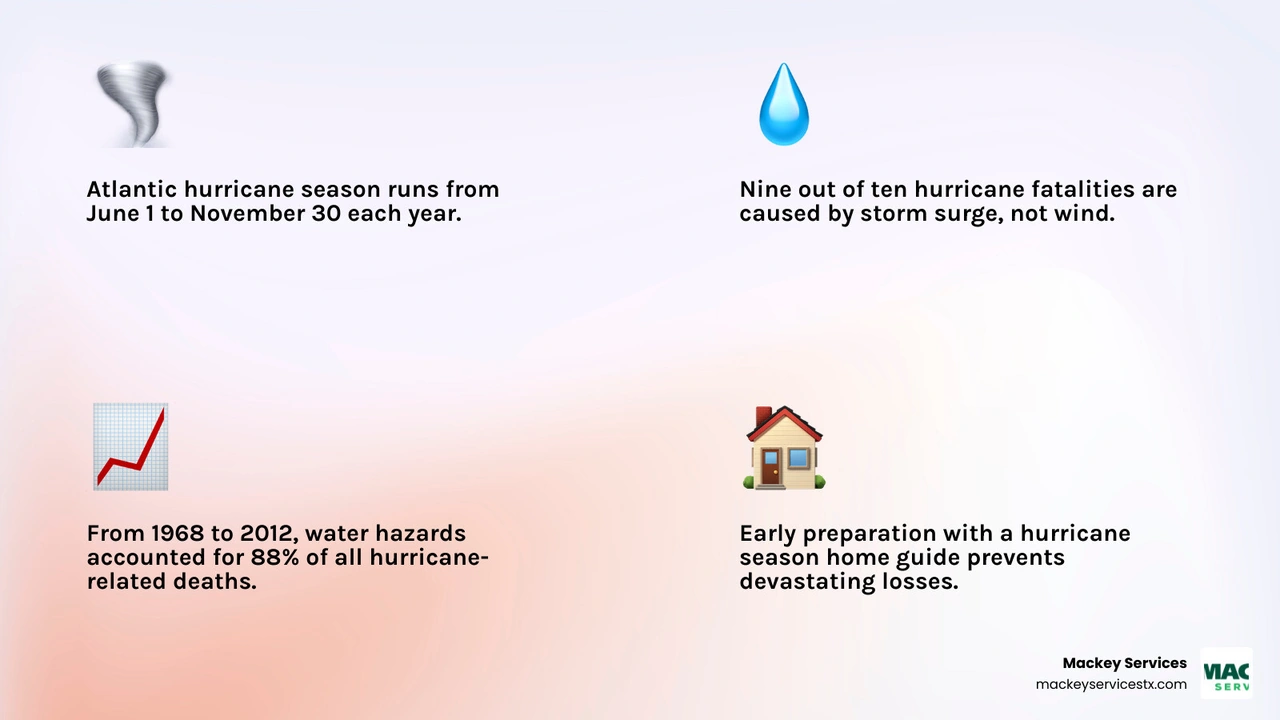
The Atlantic hurricane season officially runs from June 1 through November 30, but the best time to prepare is right now — well before the first storm forms. As we head into the 2026 season, Houston-area homeowners face real and serious risk. The Gulf Coast sits in the direct path of some of the Atlantic's most powerful storms, and the numbers tell a sobering story: nine out of ten hurricane fatalities are caused by storm surge, not wind. From 1968 to 2012, water hazards accounted for 88% of all hurricane-related deaths.
That means preparation isn't just about boarding up windows. It's about understanding your full risk — flood, surge, wind, and extended power outages — and taking action before a storm is ever named.
Assessing Local Risks and Developing a Family Plan
Living in the Greater Houston Area, from the coastal breeze of Galveston to the inland suburbs of Pearland and Rosharon, means acknowledging that "hurricane risk" looks different for everyone. Before you can effectively use a hurricane season home preparation guide, you must understand the specific threats to your street and your structure.
Know Your Evacuation Zone
Do you live in a zone that is prone to storm surge? In Texas, evacuation zones are typically labeled by letter or number. If you are in a coastal community like Kemah or La Porte, you are likely in a high-priority zone. However, even if you live further inland, you may be in a flood-prone area. We recommend checking with local emergency management offices in Harris, Galveston, or Brazoria counties to confirm your zone.
Understanding Weather Alerts
Timing is everything. You need to know the difference between National Weather Service (NWS) terms:
- Hurricane Watch: Hurricane conditions are possible within your area. This is usually issued 48 hours before the anticipated onset of tropical-storm-force winds.
- Hurricane Warning: Hurricane conditions are expected. This is issued 36 hours in advance. Once a warning is issued, your preparations should be rushed to completion.
The Family Strategy
A plan isn't a plan until it's written down and practiced. Sit down with your household and decide:
- Communication: How will you reach each other if cell towers are down? Designate an out-of-state relative as a central "check-in" contact.
- Meeting Places: Identify a spot in your neighborhood and one outside your immediate area.
- Special Needs: If you have elderly family members or those with disabilities, register with the State of Texas Emergency Assistance Registry (STEAR).
- Pets: Most shelters do not accept pets. Identify pet-friendly hotels or boarding facilities along your evacuation route.
To ensure your home remains a sanctuary even when the grid fails, many homeowners in areas like La Porte invest in Generators La Porte TX to keep medical equipment and essential appliances running.
Essential Hurricane Season Home Preparation Guide Steps
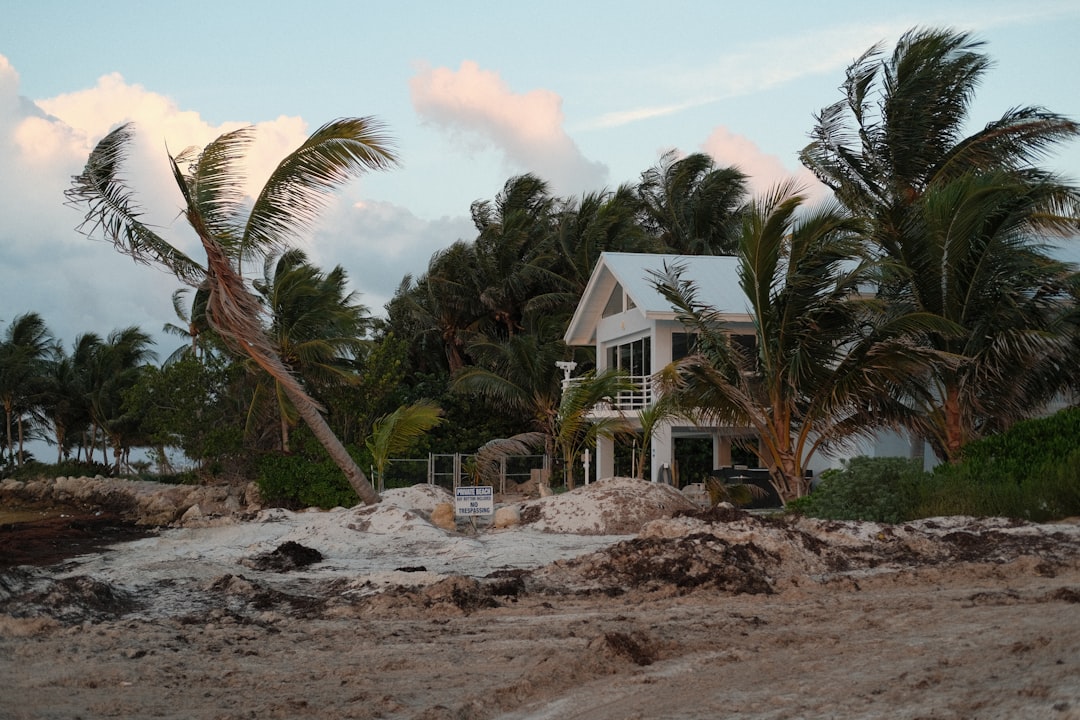
Hardening your home is a marathon, not a sprint. By starting in April 2026, you give yourself enough time to hire professionals for structural reinforcements before the June 1 rush.
Roof and Soffit Security
Your roof is your home’s first line of defense. High winds can catch the underside of shingles or tiles, peeling them back and allowing torrential rain to enter. Have a licensed professional inspect your roof for loose shingles or damaged flashing. Furthermore, don’t overlook your soffits. Wind-driven rain can be forced through unsecured soffits, leading to massive interior water damage. We recommend securing soffits with stainless steel screws and polyurethane sealant to keep the water out.
Windows and Doors
Impact-resistant windows are the gold standard, but if you don't have them, you need a plan for shutters.
- Plywood: If using plywood, ensure it is at least 5/8-inch thick. Have it pre-cut and labeled for each window, with the hardware already attached to your home’s exterior.
- No Tape: One of the biggest myths is that taping windows prevents them from breaking. It doesn't. In fact, it can create larger, more dangerous shards of glass if the window fails.
Garage Door Reinforcement
The garage door is often the most vulnerable part of a home's structure. If the wind blows the garage door in, it can create a "pressure cooker" effect that pushes the roof off the house. Look for garage door "stiffeners" or heavy-duty bracing kits.
As you prepare the exterior, don't forget the interior. Ensuring your electrical system is up to code is vital. If your home is older, consider an Electrical Panel Replacement The Woodlands TX to ensure your home can handle the load of emergency equipment and prevent electrical fires during power fluctuations.
Strengthening Your Home with a Hurricane Season Home Preparation Guide
When we talk about "home hardening," we are referring to physical changes that make the structure more resilient to wind and water.
- Building Codes: Ensure any new additions or repairs meet the latest windstorm building codes for the Texas Gulf Coast.
- Door Seals: Check the weatherstripping on all exterior doors. If you can see light through the cracks, water can get in.
- Surge Protection: Lightning strikes and power grid instability are common during tropical storms. Installing Surge Protection Arcadia TX can save your expensive appliances and HVAC systems from "fried" circuits when the power flickers or returns.
Finalizing Your Hurricane Season Home Preparation Guide Checklist
As the season approaches, your focus should shift to maintenance and utility readiness.
- Locate Utility Shutoffs: Know exactly where your main water valve, gas shutoff, and electrical breaker box are. If you evacuate, you may need to turn these off to prevent floods or fires.
- Fuel Storage: If you use a portable generator, store fuel in approved containers in a well-ventilated outdoor area. Never store gasoline inside your home or garage.
- Generator Readiness: A generator that won't start is just a heavy box. If you haven't run yours in a while, schedule Generator Repair Piney Point Village TX to ensure it’s ready for the first outage.
- Regular Servicing: For those in coastal areas, salt air can corrode components quickly. Routine Generator Service Jamaica Beach TX is essential to keep the unit functional in high-moisture environments.
Securing Your HVAC, Electrical, and Backup Power Systems
In Houston, the heat doesn't stop just because a hurricane is blowing through. In fact, the humidity after a storm can be life-threatening without proper ventilation. This is why backup power is a centerpiece of any hurricane season home preparation guide.
The Power of Standby Generators
Unlike portable units, a whole-house standby generator sits outside like an AC unit and turns on automatically when the grid fails. This provides "unwavering comfort" by keeping your lights, refrigerator, and—most importantly—your air conditioner running. For homeowners in Stafford, a Whole House Generator Stafford TX is a long-term investment in safety and property value.
Protecting Your HVAC System
Your outdoor AC condenser is at risk from both high winds and flooding.
- Clear Debris: Ensure there are no loose items near the unit that could be blown into the delicate fins.
- Elevate: If you live in a flood-prone area like Humble, consider having a professional elevate your unit.
- Installation: If you are looking to upgrade your backup power, Generator Installation Humble TX can be bundled with an electrical system check to ensure your HVAC and generator work in harmony.
Ongoing maintenance is the only way to guarantee performance. If you are in San Leon or Clear Lake Shores, the humidity and salt are your generator's enemies. Regular Generator Service San Leon TX and checking on Generators Clear Lake Shores TX ensures that when the sky turns grey, your power stays on.
Yard, Pool, and Outdoor Safety Measures
Your yard can either be a beautiful landscape or a source of "missiles" during a Category 3 storm. High winds can turn a patio chair or a loose tree limb into a projectile that can pierce through a wall.
Tree Trimming and Landscaping
The "Right Tree, Right Place" rule is vital. Trim any branches that hang over your roof or power lines. Remove dead or diseased trees that are likely to fall. If you live in Bacliff, where the wind off the bay can be fierce, checking your Generators Bacliff TX and clearing the surrounding vegetation is a top priority.
Pool Preparation
- Do Not Drain: Never completely drain your pool. The weight of the water keeps the pool in the ground. If the ground becomes saturated and the pool is empty, hydrostatic pressure can actually "pop" the pool out of the earth.
- Lower Water Level: You can lower the water by about 12 inches to allow for heavy rainfall, but no more.
- Turn Off Power: Shut off the power to your pool pump and lighting at the breaker.
Securing Outdoor Items
Bring everything inside that isn't bolted down: bird feeders, potted plants, lawn ornaments, and patio furniture. If items are too large to bring in, anchor them to the ground or a permanent structure. In Algoa, where open spaces allow wind to pick up speed, ensuring your Generators Algoa TX are properly housed and outdoor items are secured can prevent thousands of dollars in damage.
Insurance, Emergency Kits, and Post-Storm Recovery
Preparation is as much about paperwork as it is about plywood.
The 30-Day Insurance Rule
One of the most common mistakes homeowners make is waiting until a storm is in the Gulf to buy flood insurance. Standard homeowners insurance does not cover flood damage. Most flood insurance policies, including those through the National Flood Insurance Program (NFIP), have a 30-day waiting period. If you don't have it by May 1, you might not be covered for a June storm. Even one inch of water can cause over $25,000 in damage.
The Family Emergency Kit
Your kit should allow you to survive for at least 3 to 7 days without any outside help.
- Water: One gallon per person per day (don't forget pets!).
- Food: Non-perishable items that don't require cooking.
- Documents: Keep copies of insurance policies, IDs, and birth certificates in a waterproof, portable container.
- Cash: If the power is out, credit card machines and ATMs won't work.
Post-Storm Safety and Recovery
Once the storm passes, the danger isn't over.
- Generator Safety: Never run a portable generator inside a home, garage, or near a window. Carbon monoxide poisoning is a leading cause of post-storm fatalities.
- Flood Hazards: Stay out of standing water. It can contain sewage, chemicals, or downed power lines.
- Document Damage: Before you start cleaning up, take photos and videos of everything for your insurance claim.
For residents in Baytown or Alvin, having a reliable service provider for Generator Service Baytown TX or Generator Service Alvin TX can help you get back on your feet quickly if your backup power needs a tune-up after a long run.
Frequently Asked Questions about Hurricane Preparation
When is the best time to start hurricane preparation?
The best time is now! Ideally, you should have your hurricane season home preparation guide completed and your supplies stocked by May 1st. This avoids the "panic buying" at grocery stores and ensures your insurance policies are active before the season begins on June 1st.
Does standard homeowners insurance cover flood damage?
No. Standard policies usually cover wind and hail, but they specifically exclude damage from rising water (flooding). You must purchase a separate flood insurance policy through the NFIP or a private insurer.
What is the difference between a hurricane watch and a warning?
A Watch means hurricane conditions are possible within 48 hours. A Warning means hurricane conditions are expected within 36 hours. You should complete all physical preparations as soon as a Warning is issued.
Conclusion
At Mackey Services, we’ve spent 30 years helping our neighbors in the Greater Houston Area stay comfortable and safe. We know that a hurricane is more than just a weather event—it’s a challenge to your family’s security. By following this hurricane season home preparation guide, you are taking the proactive steps necessary to protect your property and your loved ones.
Whether you need to secure your electrical panel, protect your HVAC system, or ensure your backup power is ready for the long haul, we are here to provide family-like service and unwavering comfort. Don't wait for the clouds to gather to think about your safety.
Schedule professional home services with us today and let’s get your home ready for whatever the 2026 season brings. Stay safe, Houston!
Ready for a better day?
One call handles it all — HVAC, electrical, and generators across the Texas Gulf Coast. Less to pay. Better day. That's the Mackey way.
Mon–Fri: 7 AM – 8 PM · Sat: 8 AM – 5 PM · Licensed & insured · #TACLA 112769C · #TECL 558211