
How to Diagnose Flickering Lights and Faulty Wiring
Diagnose flickering lightsu2014what it means for your wiring. Spot fire risks, fix overloads, and call pros before emergencies hit.
Common Causes of Flickering Lights and What It Means for Your Wiring
When you notice a light blinking in your hallway or kitchen, your first thought is likely an annoyance. However, identifying the root cause is essential for home safety. Most flickering comes from easily fixable connection problems, but research suggests that nearly a quarter of these incidents stem from potentially dangerous conditions that require immediate intervention.
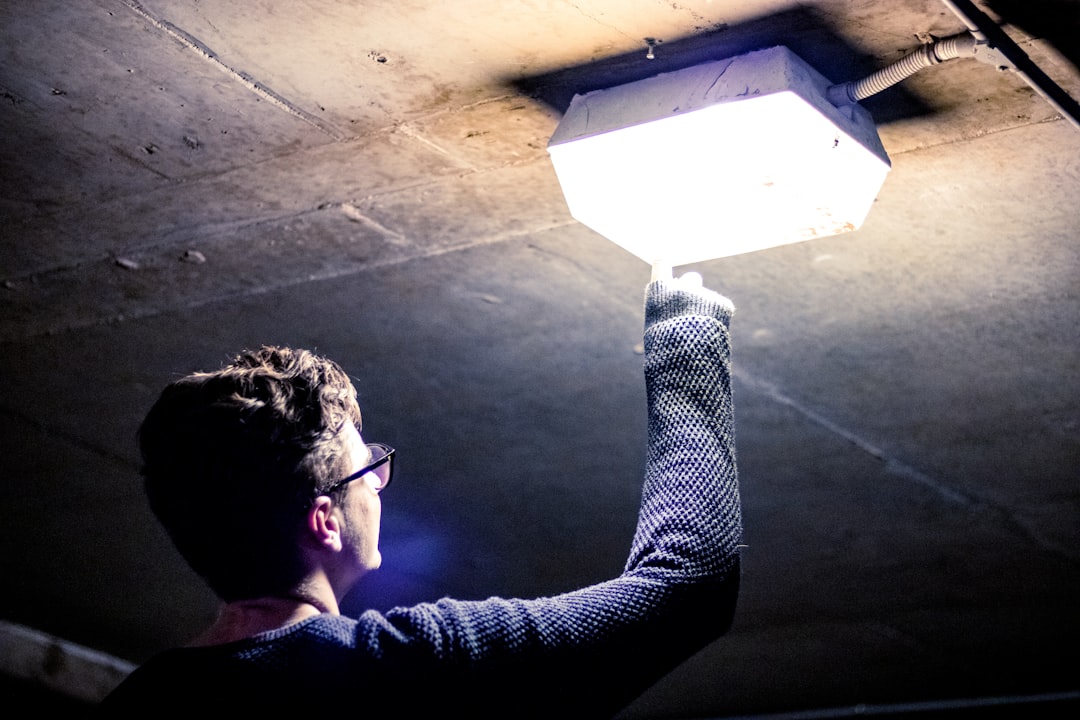
The most common culprit is a loose bulb. Over time, heat expansion and cooling contraction can cause a bulb to unscrew just enough to lose a solid connection with the socket. If you notice a single fixture acting up, the first step is always to ensure the bulb is seated correctly.
Beyond the bulb, socket corrosion or worn-out fixtures can lead to intermittent power flow. If you find yourself asking, My Lights Keep Flickering And Dimming In My House In La Marque What Kind Of Professional Should I Call, the answer is a licensed electrician who can inspect the internal components of your fixtures and switches.
Distinguishing Between a Loose Bulb and Flickering Lights What It Means for Your Wiring
How do you know if you have a "quick fix" or a "call the pro" situation? Start with these DIY troubleshooting steps:
- The Tightness Test: Wait for the bulb to cool, then give it a gentle turn. If it moves, it was loose. If the flickering stops, you’ve solved it.
- The Swap Test: Move the flickering bulb to a different lamp or fixture. If the flicker follows the bulb, the bulb is failing. If the flicker stays at the original fixture, the problem is in the socket, the switch, or the wiring.
- The Jiggle Test: Gently jiggle the light switch. If the flickering changes or the switch feels warm, the internal contacts are likely worn out, which is a fire hazard.
Patterns are the biggest clue. A single flickering lamp is usually a localized issue. However, if lights across multiple rooms are flickering simultaneously, this is a clear sign of a systemic issue within your home’s electrical distribution or the main panel.
External Factors and Utility Issues
Sometimes, the problem isn't inside your walls at all. External factors often play a role in flickering lights what it means for your wiring.
- Weather-Related Flickering: If your lights flicker specifically during high winds, it often points to a problem with the "service drop"—the wires connecting the utility pole to your home. Wind can cause these frayed or loose wires to move, creating intermittent connections.
- Utility Grid Fluctuations: If your neighbors are also experiencing flickering, the issue is likely with the utility provider's transformer or the local grid.
- Service Drop Damage: Tree branches rubbing against the service wires can wear down insulation, causing "arcing" (sparks jumping between wires) that manifests as flickering in your home.
When Flickering Lights Indicate a Dangerous Electrical Emergency
There are moments when flickering stops being a nuisance and starts being a red flag for a house fire. Arcing from loose connections can generate temperatures exceeding 10,000°F—hotter than the surface of the sun. This heat can ignite insulation and wood framing long before a breaker ever trips.
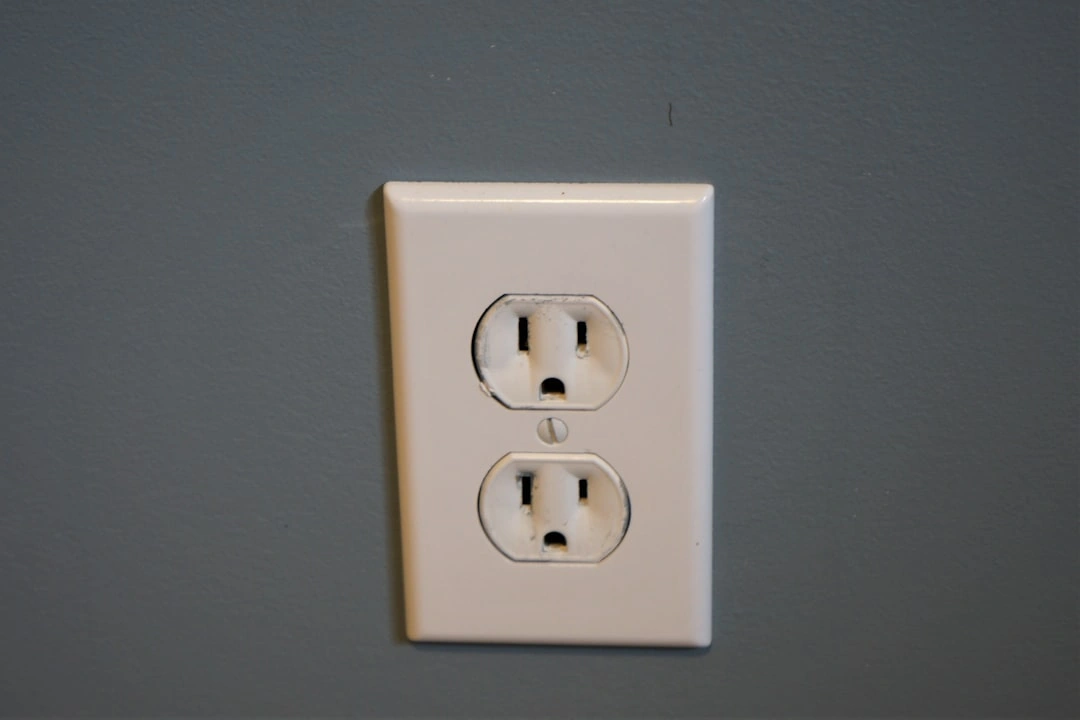
Knowing When Should You Call An Electrician is vital. If you smell a "fishy" or ozone-like odor near a switch, or if the wall plates feel warm to the touch, shut off the breaker immediately. These are signs of active arcing.
The Danger of a Loose Service Neutral and Flickering Lights What It Means for Your Wiring
One of the most dangerous scenarios we encounter is a "loose service neutral." Your home’s electrical system relies on a neutral wire to balance the two 120V "legs" of power coming into your house. If this connection becomes loose or corroded, the voltage becomes unbalanced.
The tell-tale sign of a loose neutral is a "see-saw" effect: some lights in your house will dim while others suddenly get much brighter. This is a true electrical emergency. The over-voltage can fry expensive electronics and appliances instantly, potentially causing thousands of dollars in damage and posing a severe fire risk. If you see this pattern, turn off your main breaker and call us immediately.
The Hidden Dangers of Aluminum Wiring and Persistent Flickering
If your home in the Greater Houston area was built between 1965 and 1975, your flickering might be caused by aluminum wiring. During this era, copper was expensive, so builders used aluminum. Unfortunately, aluminum expands and contracts more than copper, and it oxidizes at connection points.
This oxidation creates high resistance, which leads to heat and—you guessed it—flickering lights. This is a progressive failure, meaning it gets worse over time. If you live in an older home and notice persistent flickering, it’s worth asking: When Is Home Rewiring Necessary? Remediating aluminum wiring with specialized connectors like AlumiConn can make your home safe again without a full tear-out.
Managing Overloaded Circuits and Voltage Fluctuations
Do your lights dim every time the refrigerator kicks on? This is a symptom of a voltage drop. When a large motor starts, it requires a massive "inrush current" to get moving.
| Appliance | Running Amps | Inrush Current (Start-up) |
|---|---|---|
| Central AC Unit | 15-20 Amps | 60-100 Amps |
| Refrigerator | 3-5 Amps | 15-20 Amps |
| Space Heater | 12.5 Amps | 12.5 Amps (Steady) |
| Microwave | 10 Amps | 10 Amps (Steady) |
If your lights are on the same circuit as these heavy hitters, they will briefly dim because the appliance is "hogging" the available electricity. While a slight, momentary dim is often normal, persistent or severe dimming suggests your home's electrical capacity is being pushed to its limit. You might need to evaluate How Many Amps Do I Need In My House to ensure your panel can handle modern living.
Why Your Lights Dim When the Air Conditioner Starts
In Texas, our AC units work overtime. A central air compressor can draw 3 to 5 times its running amperage just to start up. If your lights dim significantly when the AC starts, it usually means the AC is sharing a circuit it shouldn't be, or your main electrical panel is struggling to distribute the load.
Moving high-load appliances to dedicated circuits is the best way to prevent this. This ensures your HVAC system has the "juice" it needs without starving the rest of your home’s lighting.
Solving LED Flicker and Dimmer Compatibility Problems
As we move toward May 2026, almost every home has transitioned to LED lighting. While energy-efficient, LEDs are much more sensitive to power fluctuations than old-fashioned incandescent bulbs.
LEDs operate on Direct Current (DC), but your home provides Alternating Current (AC). This requires a "driver" (a small circuit board) inside the bulb to convert the power. If that driver is low-quality or incompatible with your switch, you get flicker. In fact, 90% of inexpensive LED drivers fail flicker tests after just three years of continuous operation.
Why Modern LED Technology and Flickering Lights What It Means for Your Wiring
The most common reason for LED flickering is a mismatch with dimmer switches. Older dimmers were designed for the high resistance of incandescent bulbs. Because LEDs draw so little wattage, they often don't meet the "minimum load" requirement of older switches.
Research shows that 78% of consumer-grade LEDs exhibit waveform distortion when paired with leading-edge dimmers. This can cause a high-frequency flicker that might be invisible to the eye but can lead to headaches, eyestrain, and fatigue. To fix this:
- Always use "flicker-free" certified bulbs.
- Ensure your dimmer is specifically rated for LED use.
- Check for "reverse-phase" versus "leading-edge" compatibility on the bulb packaging.
Protecting Your Home from Electrical Damage and Fire Hazards
Flickering lights are often just the tip of the iceberg. They are a symptom of "system stress." To protect your electronics and your family, you need a healthy electrical foundation.
One of the best defenses is a whole-house surge protector. While plug-in power strips help, a whole-house unit installed at the panel protects everything—including your LED lighting and major appliances—from utility-side fluctuations that cause flickering. It's also important to understand Whats The Difference Between An Electrical Panel And A Circuit Breaker so you can monitor your system's health.
Signs You Need a Residential Electric Panel Upgrade
Your electrical panel is the heart of your home. If it’s outdated, it can’t keep up with the demands of modern EV chargers, smart appliances, and high-efficiency HVAC systems. You should consider a Residential Electric Panel Upgrade if you notice:
- Frequent Tripping: If breakers trip whenever you use the toaster and the microwave at the same time.
- Buzzing Sounds: A healthy panel should be silent. Buzzing indicates a loose connection or a failing breaker.
- Burning Smells: This is an immediate emergency.
- Lack of Space: If your panel is full and you’re relying on "tandem" breakers to squeeze in more circuits.
Modern homes typically require a 200-amp standard to operate safely and efficiently. If your home still has a 60-amp or 100-amp service, those flickering lights are likely a sign that your panel is overwhelmed.
Frequently Asked Questions about Flickering Lights
Can flickering lights actually start a house fire?
Yes. If the flickering is caused by arcing (electricity jumping across a gap in a loose wire), it generates extreme heat. This can smolder inside walls for days before erupting into a full-scale fire. Never ignore persistent flickering that occurs across multiple fixtures.
Why do my lights flicker only during windy weather or storms?
This almost always indicates a problem with the service wires outside your home. When the wind blows, it moves the wires at the "weatherhead" (where the power enters your house). If those connections are frayed or loose, the movement causes the power to cut in and out rapidly.
Is it safe to ignore a flickering LED light if it’s brand new?
While usually not a fire hazard, a flickering LED can indicate a mismatch with your dimmer switch. Ignoring it can shorten the lifespan of the bulb and cause physical symptoms like headaches. It’s best to swap the bulb for a high-quality "dimmable" version or upgrade the switch.
Conclusion
At Mackey Services, we’ve spent over 30 years helping our neighbors in Dickinson, League City, and the Greater Houston area stay safe and comfortable. We know that flickering lights what it means for your wiring can be a confusing topic, but you don't have to figure it out alone.
Whether you need a simple dimmer replacement, a panel upgrade, or a full safety inspection to rule out fire hazards, our family-owned team is ready to help. We pride ourselves on reliable, honest service and are available 24/7 for those emergencies that just can't wait.
Don't let a small flicker turn into a big problem. Contact us today for Reliable Electrical Services in Dickinson and surrounding communities. We'll make sure your lights stay on—and stay steady.
Ready for a better day?
One call handles it all — HVAC, electrical, and generators across the Texas Gulf Coast. Less to pay. Better day. That's the Mackey way.
Mon–Fri: 7 AM – 8 PM · Sat: 8 AM – 5 PM · Licensed & insured · #TACLA 112769C · #TECL 558211