
Beating the Coastal Heat with Pro HVAC Maintenance Tips
Discover HVAC maintenance tips for coastal Texas homeowners to combat salt air, humidity & storms. Extend your AC lifespan with expert DIY & pro advice!
Why Coastal Texas Conditions Damage HVAC Systems Faster
When we talk about the Gulf Coast climate, we are talking about a "perfect storm" for mechanical equipment. In cities like Galveston or Corpus Christi, the air isn't just humid; it’s heavy with salt. This salt-laden air acts as a corrosive agent that works 24/7 to break down the metal components of your air conditioner.
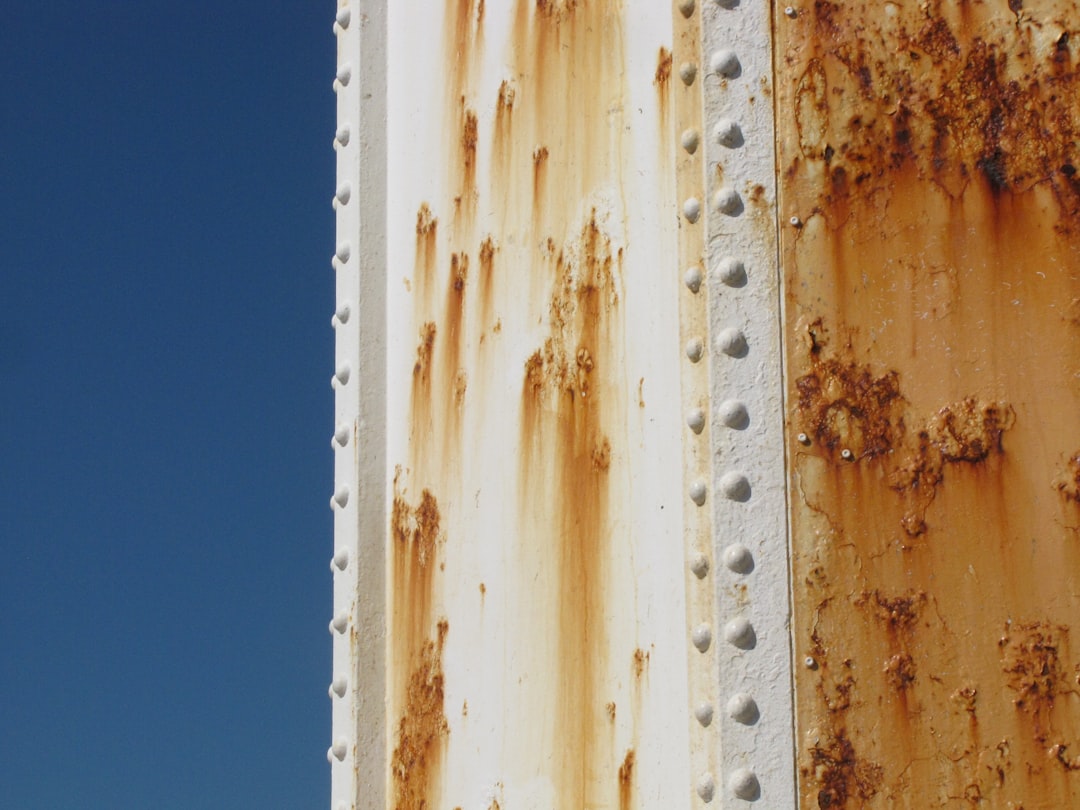
Salt air mixed with high humidity creates a chemical reaction known as oxidation. This process eats away at the delicate aluminum fins on your outdoor condenser coils. As these fins corrode, they become brittle and "shed," reducing the surface area available to release heat. This forces your Air Conditioning system to work harder and run longer to achieve the same cooling effect, leading to higher energy bills and a shorter overall lifespan.
The Role of High Humidity in System Failure
Humidity is more than just a comfort issue; it is a primary driver of HVAC system failure in coastal Texas. Because our humidity levels often hover between 75% and 85%, your AC unit spends a significant portion of its energy simply removing moisture from the air rather than lowering the temperature.
When humidity is extremely high, several problems can arise:
- Mold Growth: Moisture can accumulate in ductwork and on evaporator coils, creating a breeding ground for mold and mildew.
- Drain Clogs: High condensation rates mean your condensate drain lines are constantly working. If dust or algae build up, these lines clog, leading to water leaks or system shutdowns.
- Frozen Coils: If airflow is restricted by a dirty filter or salt-clogged fins, the moisture on the evaporator coil can actually freeze, turning your unit into a block of ice even in 95°F heat.
- Short Cycling: Excessive humidity can trick thermostats or cause sensors to malfunction, leading to the system turning on and off too frequently, which puts immense strain on the compressor.
Essential HVAC Maintenance Tips for Coastal Texas Homeowners
Because the environment is so aggressive, maintenance isn't a "once a year" luxury—it's a survival tactic for your equipment. Routine maintenance can reduce energy use by up to 15%, which is a massive win during those long Texas summers.

One of the most effective ways to combat the "salt spray" effect is regular rinsing. By keeping the outdoor unit clean, you ensure that heat can escape efficiently. For a deeper dive into general upkeep, check out our AC Maintenance Houston TX Complete Guide.
DIY HVAC Maintenance Tips for Coastal Texas Homeowners
You don't need a toolbox to protect your system. Some of the most important hvac maintenance tips for coastal texas homeowners are simple tasks you can do yourself.
- The 30-Day Filter Rule: While inland homeowners might change their filters every three months, we recommend a 30-day cycle for coastal residents. High humidity makes filters "sticky," causing them to trap coastal pollen and dust more quickly, which restricts airflow.
- Monthly Low-Pressure Rinsing: Use a garden hose to gently rinse the outdoor condenser unit. Focus on the coils to wash away salt deposits. Warning: Never use a power washer, as the high pressure will bend the fragile metal fins.
- Clear the Perimeter: Keep at least two feet of clearance around your outdoor unit. Trim back salt-hardy shrubs and remove any wind-blown debris or sand that has accumulated at the base.
- Drain Line Maintenance: Periodically check your condensate drain line. If you see standing water in the emergency pan, you likely have a clog that needs clearing to prevent water damage to your home.
For more advice on keeping your unit running for the long haul, see A Homeowners Guide to Extending Your HVAC Systems Lifespan.
Professional HVAC Maintenance Tips for Coastal Texas Homeowners
While DIY steps are great, professional intervention is required to handle the chemical and electrical challenges of the coast. We recommend professional service at least twice a year—ideally in the spring before the heat hits and in the fall after the system has been hammered by summer. If your home is beachfront, quarterly visits are even better.
Professional maintenance includes:
- Corrosion-Resistant Coatings: We can apply specialized epoxy or salt-shield treatments to your coils. These coatings act as a barrier, preventing salt from making direct contact with the metal.
- Refrigerant Diagnostics: Coastal systems often develop "pitting" leaks due to corrosion. We check for proper levels to ensure efficiency.
- Electrical Inspections: Salt is conductive and can cause "green-blue fuzz" (corrosion) on electrical contacts, leading to shorts or component failure.
- Deep Coil Cleaning: We use specialized, non-acidic cleaners to remove salt that a garden hose can't reach.
Understanding How Often Should HVAC Systems Be Serviced is key to avoiding an emergency mid-July breakdown.
Preparing Your Coastal HVAC for Storms and Hurricanes
In April 2026, we are well aware that hurricane season is always just around the corner in Texas. Storms bring more than just rain; they bring power surges and wind-driven debris that can ruin an HVAC system in seconds.
- Hurricane Straps: Ensure your outdoor unit is securely anchored to its pad with hurricane straps to prevent it from shifting or tipping in high winds.
- Surge Protection: Coastal areas are prone to lightning and grid instability during storms. A whole-home surge protector can save your system's expensive control board.
- Elevation: If you are in a flood-prone area like Friendswood or League City, ensure your unit is elevated on a sturdy platform above the base flood elevation.
- Post-Storm Inspection: If your unit was submerged in standing water or hit by heavy debris, do not turn it on. Have a professional inspect it first to prevent a fire or total compressor burnout.
These precautions are just as vital for businesses. You can learn more about protecting larger systems in our guide on Proper Maintenance of Commercial AC.
Maximizing Efficiency with Home Sealing and Insulation
Maintenance isn't just about the machine; it's about the "envelope" of your home. If your home is leaky, your AC will run non-stop, which is a death sentence for coastal units. Up to 30% of cooled air can escape through leaky ducts.
| Feature | R-19 Insulation (Standard) | R-38 Insulation (Recommended) |
|---|---|---|
| Cooling Cost Reduction | Baseline | 10–15% Savings |
| Heat Resistance | Moderate | High |
| AC Strain | Higher | Lower |
| Moisture Control | Lower | Better |
By upgrading attic insulation and sealing ducts, you reduce the "load" on your AC. This means the unit runs fewer hours per day, which directly translates to less exposure to salty air and a longer lifespan. This is a primary example of How Regular Maintenance Gives Your HVAC System a Longer Lifespan.
Frequently Asked Questions
Should I install a daily sprinkler system to rinse my AC unit?
We often get asked if a timer-based sprinkler could automate the rinsing process. We generally advise against this. Daily water exposure from a sprinkler can lead to structural rot around the unit's base and may actually trap moisture inside the cabinet if the water doesn't have time to evaporate. A manual hosing once a month (or every few weeks if the salt spray is heavy) is much safer and more effective. For more on seasonal system care, see Your Guide to Furnace Maintenance.
How often should air filters be changed in humid coastal environments?
In the Greater Houston Area, the answer is every 30 days during the peak cooling season. High humidity causes the fibers in the filter to dampen slightly, making them catch dust and coastal pollen more aggressively. This creates a "blanket" that chokes your system's airflow. We recommend using filters with a MERV rating between 8 and 13 to balance air quality with proper airflow.
Should I cover or shade my outdoor AC unit in coastal Texas?
No! This is a common myth. While it seems like a good idea to protect the unit from the sun, covering or shading it with a tight enclosure or heavy foliage restricts airflow. This causes the unit to overheat and lose efficiency. Furthermore, covers trap coastal moisture and salt against the metal, which actually accelerates corrosion and promotes mold growth.
Conclusion
Living near the water is a dream, but it requires a proactive approach to home maintenance. By following these hvac maintenance tips for coastal texas homeowners, you can protect one of your home's most expensive and essential systems from the relentless effects of salt and humidity.
At Mackey Services, we have 30 years of experience helping our neighbors in Dickinson, League City, Pearland, and throughout the Greater Houston Area stay cool. We understand the unique challenges of the Texas Gulf Coast because we live here, too. Whether you need a one-time tune-up or want the peace of mind that comes with a dedicated Maintenance Plan, our family-like service is here to ensure your unwavering comfort.
Don't wait for the salt to take its toll. Schedule your AC Maintenance in Dickinson TX today and let us help you beat the coastal heat.
Ready for a better day?
One call handles it all — HVAC, electrical, and generators across the Texas Gulf Coast. Less to pay. Better day. That's the Mackey way.
Mon–Fri: 7 AM – 8 PM · Sat: 8 AM – 5 PM · Licensed & insured · #TACLA 112769C · #TECL 558211