
The Ultimate Guide to Post-Hurricane Electrical Inspections
Stay safe after a storm. Get expert insights on post hurricane electrical inspection what to expect, from hazards to restoration.
Why Post-Hurricane Electrical Inspections Can't Wait
Post hurricane electrical inspection what to expect is one of the most important things to understand before you touch a single switch or breaker after a storm rolls through the Greater Houston area. Floodwater, wind damage, and power surges can leave your electrical system looking fine on the surface while hiding serious hazards inside your walls, panels, and outlets.
Here is a quick overview of what typically happens during a post-hurricane electrical inspection:
- Visual assessment - The electrician walks the property looking for physical damage, scorch marks, and water intrusion points
- Panel inspection - The main breaker panel and any subpanels are checked for corrosion, moisture, and tripped breakers
- Outlet and switch testing - Every accessible outlet and switch is tested for proper function, polarity, and heat
- GFCI and AFCI verification - Ground-fault and arc-fault protection devices are tested, especially in wet areas
- Wiring check - Visible wiring is examined for damage, exposed conductors, and signs of arcing
- Outdoor systems - Pool pumps, AC disconnects, exterior receptacles, and the service mast are all evaluated
- Written report - You receive a documented summary of findings, which is critical for insurance claims
The danger does not end when the storm does. Hidden electrical faults caused by flooding, power surges, or wind damage can cause fires, electrocution, or costly equipment failure days or even weeks after the hurricane passes. A professional inspection is the only way to know your home is truly safe before restoring power.
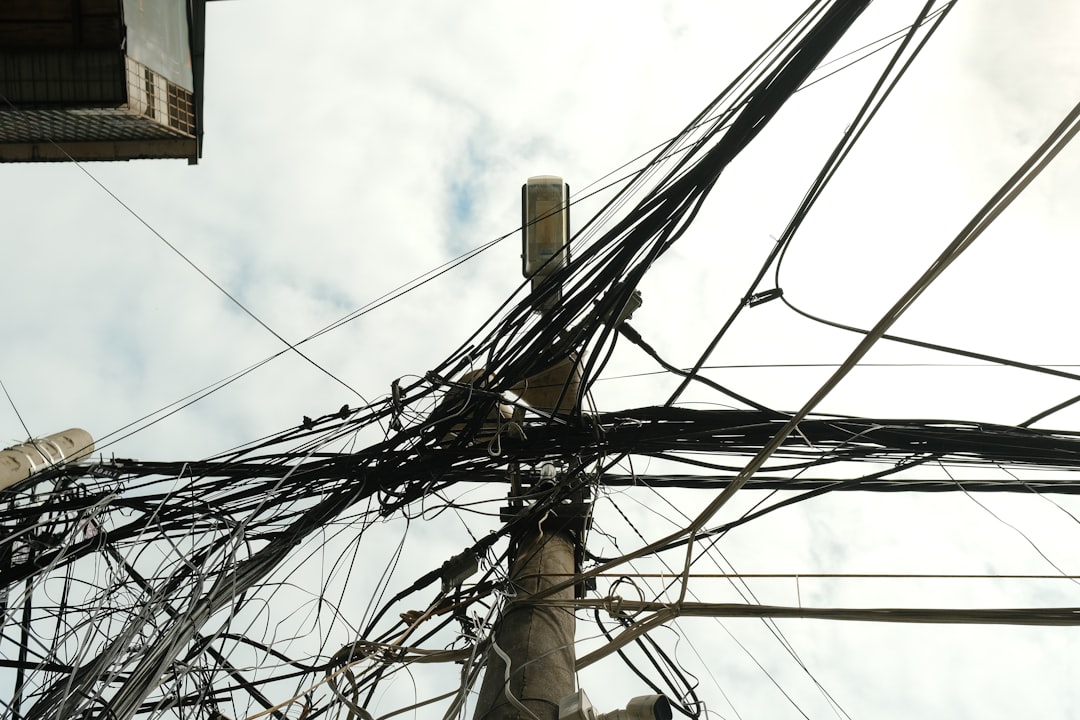
Why a Post-Hurricane Electrical Inspection is Essential for Safety
In the wake of a hurricane in April 2026, the adrenaline of cleaning up often leads homeowners to rush the process of turning the lights back on. However, electricity and water are a lethal combination. Even if your home didn't suffer a direct hit from a falling tree, the sheer volume of rain and the intensity of the wind can force moisture into places it was never meant to be.
Fire Prevention and Hidden Arcing
One of the most insidious threats after a storm is hidden arcing. When wind-driven rain or floodwater enters your walls, it can compromise the insulation on your wiring. If you energize a water-damaged system, electricity can "jump" between wires or across wet surfaces. This creates intense heat that can ignite wooden studs or insulation long before a breaker ever trips. A professional knows what tests are ran during an electrical inspection to identify these invisible leaks before they become house fires.
The Danger of Saltwater Corrosion
For our neighbors in Galveston, Kemah, or Seabrook, the threat is even higher. Saltwater is significantly more conductive and corrosive than freshwater. If storm surge reaches your outlets or your breaker panel, the salt residue will continue to eat away at the metal components even after the water evaporates. This leads to poor connections, overheating, and eventual system failure.
Shock Hazards and Moisture Detection
Water intrusion doesn't always look like a puddle on the floor. It can be a damp patch behind a drywall sheet or moisture trapped inside a plastic outlet box. If you touch a switch while standing on a damp floor or if moisture has bridged the gap between the "hot" wire and the metal frame of an appliance, you are at high risk for a life-threatening shock. Professional inspectors use moisture meters and thermal imaging to find these hidden pockets of water.
Ensuring Code Compliance and Structural Integrity
Hurricanes can literally shift the "bones" of your home. If the foundation settles or the roof structure moves, electrical conduits can be pulled apart, or wires can be pinched. An inspection ensures your system still meets the strict safety codes required in the Greater Houston Area, protecting both your family and your property value.
Post Hurricane Electrical Inspection What to Expect: A Step-by-Step Guide
When we arrive at your home for a post-storm assessment, we don't just flip switches. We follow a methodical process to ensure every inch of your system is sound. Here is the breakdown of a post hurricane electrical inspection what to expect:
1. Panel Assessment and Grounding Verification
The heart of your home’s electrical system is the breaker panel. We check for signs of water entry (rust, mineral deposits, or actual standing water) and ensure that the main grounding electrode—the rod driven into the earth—is still securely connected. High winds can often loosen the clamps on these rods, leaving your home vulnerable to surges. If your panel is outdated or has suffered significant water damage, we may discuss a residential electric panel upgrade to ensure your home can handle modern loads safely.
2. Moisture Mapping and Circuit Testing
Using specialized tools, we map out where moisture has entered the home. We then perform "megger" testing, which checks the integrity of the insulation around your wires. This tells us if the wires are safe to carry a full load or if they have been compromised by water.
3. GFCI and AFCI Functionality
Ground-Fault Circuit Interrupters (GFCIs) and Arc-Fault Circuit Interrupters (AFCIs) are your primary defense against shock and fire. These devices are incredibly sensitive to moisture. We test every one of them to ensure they trip and reset correctly. If a GFCI won't reset, it’s often a sign that there is still moisture or a fault somewhere down the line.
Post Hurricane Electrical Inspection What to Expect for Insurance Documentation
One of the most important parts of our visit is the paperwork. Insurance adjusters in April 2026 are likely to be overwhelmed, and they require clear, professional evidence to process claims.
- Timestamped Photos: We document every scorched outlet, corroded breaker, or water-damaged wire.
- Itemized Reports: You will receive a detailed list of what is damaged and why it is a safety hazard.
- FEMA Compliance: If you are seeking federal assistance, our reports provide the technical substantiation needed to prove the damage was storm-related.
Post Hurricane Electrical Inspection What to Expect for Outdoor Systems
Outdoor electrical components take the brunt of the storm. We pay special attention to:
- Pool Pumps and Heaters: These are often submerged during heavy rains, leading to motor failure and shock risks.
- AC Disconnects: The small boxes near your outdoor AC unit can fill with water, causing the unit to short out when it tries to start.
- Service Masts and Meter Bases: We check the "weather head" (where the power lines enter your house) to ensure the wind didn't pull it away from the wall.
- Exterior Receptacles: These are frequently compromised by wind-driven rain, even if they have covers.
Our full range of electrical services covers everything from these outdoor components to the smallest indoor switch.
Identifying Common Electrical Hazards and Warning Signs
While a professional inspection is required for a clean bill of health, you should be on high alert for these red flags. If you notice any of these, do not wait for a scheduled appointment—turn off the main breaker (if safe) and call for emergency help.
- Burning Odors: A smell like burning plastic or ozone is a sign of wires overheating or arcing.
- Buzzing or Crackling Sounds: If your walls or outlets are "talking" to you, it’s the sound of electricity jumping through the air—a major fire risk.
- Flickering or Dimming Lights: This often indicates a "loose neutral" or a compromised connection at the service mast, which can send high voltage into your electronics.
- Tripped Breakers: If a breaker trips immediately after you reset it, do not try again. There is a direct short circuit that needs to be cleared.
- Discolored Switches or Outlets: Any yellowing, browning, or soot marks indicate that the device has been running too hot.
- Fallen Power Lines: Stay at least 35 feet away. Even if the power is out in the neighborhood, a neighbor’s generator could be "backfeeding" the line, making it live.
If you find that your breakers are constantly tripping even after the storm debris is cleared, it might be time to learn how to know when to upgrade your homes electric panel.
Preparing Your Home for a Professional Inspection
To make the most of your post hurricane electrical inspection what to expect, a little preparation goes a long way. This allows the electrician to focus on testing rather than moving boxes.
- Clear the Path: Ensure there is at least three feet of clear space in front of all electrical panels, including the main outside and any subpanels in the garage or laundry room.
- Log Your Issues: Write down every "weird" thing you noticed. Did the microwave clock reset? Did a specific light flicker? This helps us narrow down the search.
- Secure Pets and Children: We will be opening panels and testing live circuits. For everyone's safety, keep pets and kiddos in a separate area.
- Gather Records: If you've had recent upgrades or repairs, have that paperwork handy.
DIY Visual Checks vs. Professional Diagnostics
While we encourage homeowners to be observant, there is a limit to what you can see with the naked eye.
| Feature | DIY Visual Check | Professional Diagnostic |
|---|---|---|
| Outlets | Look for scorch marks or water stains. | Testing for polarity, grounding, and heat under load. |
| Wiring | Check for visible nicks or rodent damage. | Insulation resistance testing (Megger) for hidden leaks. |
| Panels | Check for tripped breakers or rust. | Thermal imaging to find hot spots and torque testing connections. |
| Grounding | Verify the rod is still in the ground. | Continuity and impedance testing to ensure a path to earth. |
| Safety Devices | Press the "test" button on GFCIs. | Simulated fault testing to ensure millisecond trip times. |
Frequently Asked Questions about Post-Storm Electrical Safety
When should I schedule a post-hurricane electrical inspection?
You should schedule an inspection as soon as the floodwaters have receded from your home’s entry points and local authorities have cleared the area for re-entry. In the Greater Houston area, demand for electricians spikes immediately after a storm. Booking your inspection early—even if you don't have power yet—ensures you are on the list for when the grid comes back online.
Is it safe to turn my power back on before an inspection?
If water reached the level of your outlets, or if you see any physical damage to your meter or service mast, do not turn the power back on. If your home stayed dry and there is no visible damage, you may be able to restore power to essential circuits, but we still recommend a professional check-up to ensure no surges damaged your appliances or hidden wiring.
What role does the inspection play in power restoration?
In many parts of the Greater Houston area, including Houston and Dickinson, utility companies like CenterPoint or Entergy will not re-seal a meter or restore power to a flooded home without a "blue sticker" or a municipal permit. This is a safety measure to ensure the utility doesn't send power into a home that is a known fire hazard. A professional inspection is often the first step in obtaining these permits.
Conclusion: Let Mackey Services Restore Your Peace of Mind
Recovering from a hurricane is stressful enough without worrying about the safety of your home's electrical system. For 30 years, Mackey Services has been the trusted name in the Greater Houston Area for reliable, family-like service. Whether you are in Alvin, Pearland, or right here in Dickinson, TX, we treat your home like our own.
Our A+ BBB rating and decades of experience mean we know exactly what to look for after a Texas-sized storm. We don't just provide a service; we provide the unwavering comfort of knowing that when you flip that switch, your home is safe.
Don't leave your family's safety to chance. If you've lived through a storm and need to know your post hurricane electrical inspection what to expect, contact us today to schedule your comprehensive evaluation. We are here to help you rebuild, one safe connection at a time.
Ready for a better day?
One call handles it all — HVAC, electrical, and generators across the Texas Gulf Coast. Less to pay. Better day. That's the Mackey way.
Mon–Fri: 7 AM – 8 PM · Sat: 8 AM – 5 PM · Licensed & insured · #TACLA 112769C · #TECL 558211