
Ditch the Ducts with a Mini Split System
Discover what is a ductless mini split system: energy-efficient, duct-free heating & cooling for Houston homes. Learn benefits, installation & more!
What is a Ductless Mini Split System?
To truly understand what is a ductless mini split system, it helps to think of it as a specialized heat pump that doesn't need a maze of metal vents to do its job. While a traditional central AC system relies on a massive indoor furnace or air handler to push air through ducts hidden in your attic or crawlspace, a mini split brings the "business end" of the air conditioning right into the room with you.
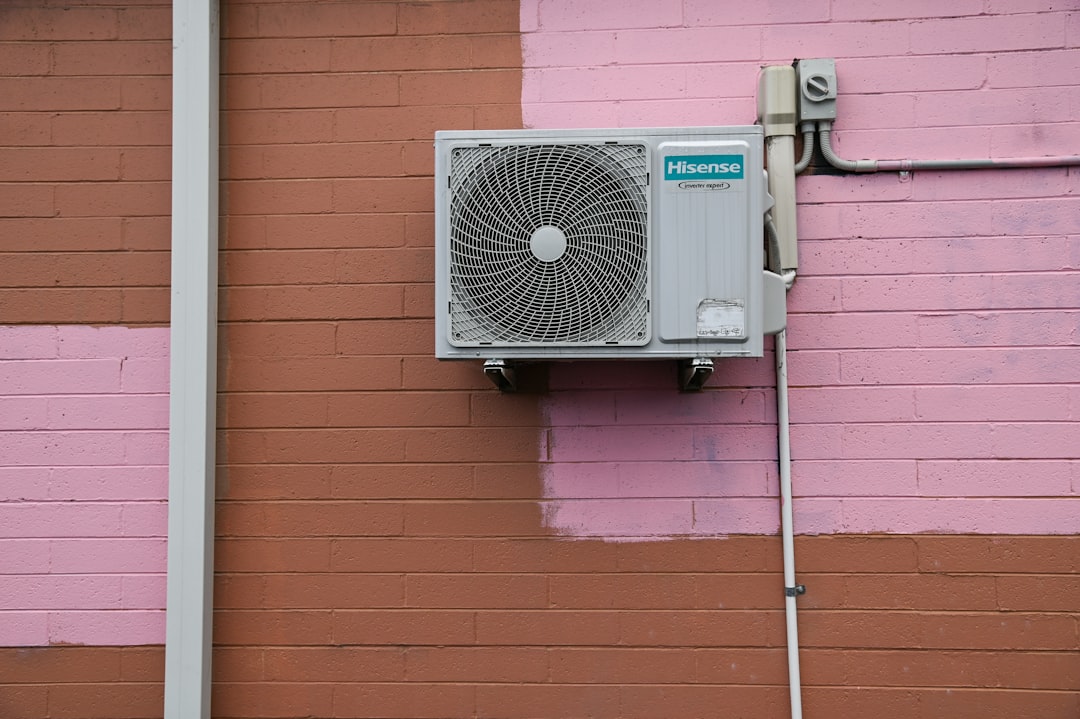
The system is "split" because it separates the noisy parts from the quiet parts. The loud compressor and condenser sit outside on a small concrete pad or wall bracket, while the sleek, whisper-quiet air-handling units are mounted inside your living spaces. These two halves are connected by a small conduit that houses the power cable, refrigerant tubing, and a condensate drain line.
Because there is no ductwork, these systems are a popular choice for Ductless Heat Pump Replacement when homeowners want to move away from inefficient, aging central units or electric baseboard heaters.
Defining the Components of a Mini Split
A ductless system is elegantly simple, consisting of four primary parts:
- The Outdoor Condensing Unit: This is the heart of the system. It contains the compressor, which pumps refrigerant through the lines. Modern units are incredibly quiet—some operate at just 46 decibels, which is about the volume of a normal conversation.
- The Indoor Air Handler: Often called a "head," this unit contains the evaporator coil and a blower fan. It pulls in warm air from the room, cools it (or heats it), and blows it right back out.
- The Conduit: This is the "umbilical cord" of the system. It’s a bundle that includes the power cable, communication wiring between the units, and the copper refrigerant lines.
- Refrigerant: This specialized fluid cycles between the indoor and outdoor units, absorbing heat from one location and releasing it in another.
How a Ductless Mini Split System Differs from Central AC
The biggest difference lies in how air moves. In a central system, air is cooled in one central location and then forced through ducts. Along the way, that air can lose its "cool" as it passes through hot attics. In fact, energy losses in ductwork can exceed 30% of your total energy consumption.
A mini split offers direct air distribution. There are no leaky ducts to worry about, and no energy is wasted cooling empty rooms. This makes a Ductless Mini-Split Houston TX installation an excellent choice for our humid coastal climate, where every bit of efficiency counts toward lower monthly bills.
How a Ductless Mini Split System Works
The magic of a mini split isn't just that it lacks ducts; it's the science of heat transfer. These systems don't actually "create" cold air. Instead, they move heat from one place to another. During a sweltering July day in Dickinson, the indoor unit absorbs the heat from your living room and sends it through the refrigerant lines to the outdoor unit, where it is released into the air.
If you are looking for a Ductless Heater for House during our occasional Texas cold snaps, the system simply reverses this process. Even when it's chilly outside, there is still heat energy in the air. The outdoor unit extracts that heat and brings it inside.
The Cooling and Heating Cycle of a Ductless Mini Split System
Most modern mini splits are "heat pumps," meaning they provide year-round comfort. They utilize a reversing valve that changes the direction of the refrigerant flow.
- In Cooling Mode: The indoor evaporator coil gets cold, absorbing heat and humidity from your indoor air. The refrigerant carries that heat to the outdoor condenser, where it is squeezed out.
- In Heating Mode: The outdoor coil acts as the evaporator, absorbing heat from the outside air (even in temperatures well below freezing for some models) and pumping it inside to keep you toasty.
One of the most advanced features of these systems is inverter technology. Traditional AC units are either "on" or "off"—like a light switch. This leads to temperature swings and high energy spikes. Inverter-driven compressors work more like a gas pedal; they slow down or speed up to maintain a perfectly steady temperature, using only the exact amount of energy needed.
Understanding Multi-Zone Connectivity
One of the most versatile aspects of what is a ductless mini split system is its ability to handle "zones." You aren't limited to just one indoor unit.
A single outdoor compressor can often support up to five (and in some high-end residential systems, up to eight) indoor air handlers. This means you can have a unit in the master bedroom, one in the kitchen, and one in the home office—all connected to the same outdoor unit. Each indoor head has its own thermostat, allowing you to keep the bedroom at a crisp 68 degrees while the rest of the house stays at 74. This level of customization is why Ductless Mini-Split League City TX homeowners find these systems so appealing for multi-generational households.
Key Benefits and Energy Efficiency
When we talk about the benefits of going ductless, efficiency is usually at the top of the list. Because mini splits avoid the "duct tax" (the 20% to 40% energy loss associated with leaky or uninsulated ducts), they are inherently more affordable to operate.
| Efficiency Factor | Central Forced Air | Ductless Mini Split |
|---|---|---|
| Energy Loss in Ducts | 25% - 40% | Less than 5% |
| Typical SEER2 Range | 13 - 18 | 20 - 30+ |
| Average Noise Level | 50 - 70 dB | 19 - 32 dB |
| Installation Impact | Major (Weeks of ductwork) | Minor (1-2 days) |
For those looking for a Ductless Mini-Split Dickinson TX, these stats translate to real-world savings on every electric bill.
Energy Efficiency Ratings for a Ductless Mini Split System
When shopping for a system, you’ll see two main ratings: SEER2 (Seasonal Energy Efficiency Ratio) for cooling and HSPF2 (Heating Seasonal Performance Factor) for heating. The higher the number, the more efficient the unit.
Many ductless systems are Energy Star certified, meaning they meet strict government standards for efficiency. Some top-tier models can achieve ratings as high as 30 SEER2 or more. Because the variable-speed compressor doesn't have to work at 100% capacity all the time, these systems can reduce your total energy consumption by up to 40% compared to a conventional ducted system.
Personalized Comfort and Indoor Air Quality
Beyond the bills, there is the matter of air quality. Traditional ducts are notorious for collecting dust, pet dander, and even mold over time. Every time the central AC kicks on, those particles are blasted into your rooms.
Ductless units feature multi-stage filtration right inside the indoor head. These filters are easy to pop out and wash, helping to remove allergens, smoke, and odors from the air. Furthermore, because there are no shared ducts, there is no cross-contamination. If someone is frying fish in the kitchen, the smell won't be sucked into the bedroom vents.
System Types, Applications, and Maintenance
Another reason we love mini splits is their flexibility. Not every indoor unit has to be a white box on the wall. While the high-wall mount is the most common and cost-effective, there are other options:
- Ceiling Cassettes: These sit flush with your ceiling, showing only a decorative grille. They are perfect for a clean, modern look.
- Floor-Mounted Units: These are great for attics with slanted walls or for replacing old radiators.
- Slim-Duct Units: These are hidden behind a wall or in a small ceiling space, using very short runs of ductwork to serve one or two nearby vents.
This variety makes a Ductless Heat Pump Replacement Smart Upgrade 2025 a smart move for almost any home layout.
Ideal Home Applications for Ductless Systems
While mini splits can heat and cool an entire house, they are particularly brilliant in specific scenarios:
- Home Additions & Sunrooms: If you’ve added a room, your existing central AC probably wasn't sized to handle the extra square footage. A mini split provides dedicated comfort without overtaxing your main system.
- Older Homes: Many historic homes in areas like Ductless Mini-Split Galveston TX don't have the space in the walls or ceilings for bulky 12-inch ducts. Mini splits only require a three-inch hole, preserving the home's architectural integrity.
- Garage Conversions: Whether it's a "man cave," a home gym, or a workshop, a mini split can turn a sweltering garage into a usable living space year-round.
- Slab-on-Grade Houses: Homes without a basement or attic often have nowhere to put traditional ductwork.
Maintenance and Longevity for Homeowners
A high-quality ductless mini split is a long-term investment. While a traditional central AC might last 10 to 15 years, a well-maintained mini split can often reach a 20-year lifespan.
Maintenance is relatively simple for the homeowner:
- Clean the filters: You should check and wash the indoor unit filters every 1 to 3 months.
- Clear the outdoor unit: Keep leaves, tall grass, and debris at least two feet away from the outdoor condenser to ensure proper airflow.
- Schedule professional tune-ups: Once or twice a year, have a pro check the refrigerant levels, clean the coils, and ensure the condensate drain line is clear.
Frequently Asked Questions about Ductless HVAC
Q: Are mini splits noisy?Not at all. The indoor units operate as low as 20 decibels—that’s quieter than a whisper. You’ll likely forget the unit is even running.
Q: Do they work in extreme cold?Yes. While older heat pumps struggled in freezing weather, modern "hyper-heating" or cold-climate models can provide 100% heating capacity even when outdoor temperatures drop well below zero.
Q: Can I install one myself?We strongly advise against it. Installing a mini split involves handling high-voltage electricity and specialized refrigerants. Professional installation ensures the system is sized correctly, the lines are vacuum-tested for leaks, and your manufacturer's warranty remains valid.
Q: How long does installation take?Most single-zone installations can be completed in as little as one day with minimal disruption to your home.
Conclusion
Understanding what is a ductless mini split system is the first step toward reclaiming your home's comfort. Whether you are looking to solve a "hot room" problem, upgrade an older home, or slash your monthly energy bills, these systems offer a level of flexibility and efficiency that traditional central AC simply can't match.
At Mackey Services, we bring 30 years of experience to every job. As a family-owned business with an A+ BBB rating, we take pride in helping our neighbors across the Greater Houston area—from Dickinson and League City to Galveston and beyond—find the perfect climate solutions. We don't just install equipment; we provide unwavering comfort and reliable service you can trust.
Ready to ditch the ducts and experience personalized comfort? Schedule your Ductless Mini-Split consultation with our expert team today!
Ready for a better day?
One call handles it all — HVAC, electrical, and generators across the Texas Gulf Coast. Less to pay. Better day. That's the Mackey way.
Mon–Fri: 7 AM – 8 PM · Sat: 8 AM – 5 PM · Licensed & insured · #TACLA 112769C · #TECL 558211