
All About How a Standby Generator Protects Your Home and Family
Learn how a standby generator protects your home and family with automatic backup power during storms and outages.
Why a Standby Generator Is Your Home's Best Defense Against Power Outages
Understanding how a standby generator protects your home and family starts with one simple fact: when the grid goes down in the Greater Houston area, the risks go up fast — spoiled food, frozen pipes, failing medical equipment, and a home that's no longer safe or comfortable.
Here's a quick look at the key ways a standby generator keeps your home and family protected:
A standby generator protects your home and family by:
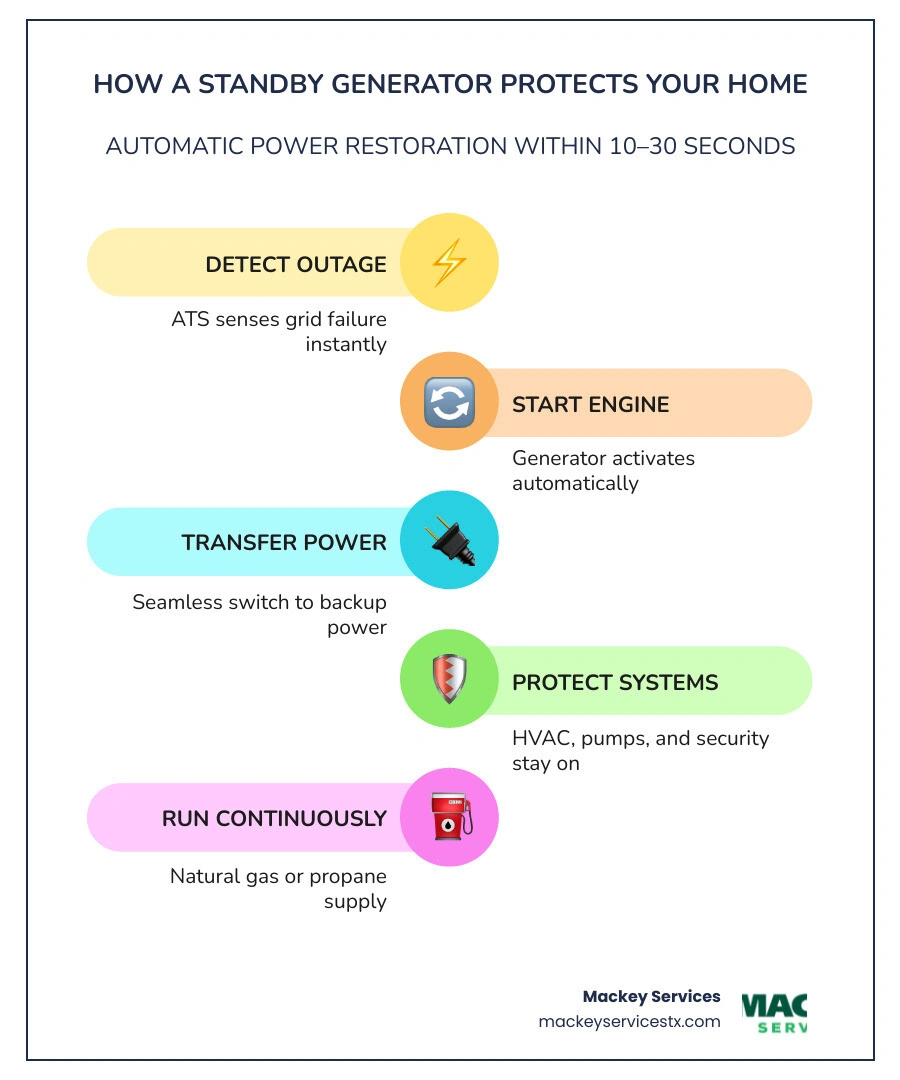
- Restoring power automatically — within 10–30 seconds of an outage, with no action needed from you
- Keeping HVAC running — maintaining safe temperatures during Houston's brutal summers and cold snaps
- Preventing water damage — powering sump pumps and keeping pipes from freezing
- Preserving food and medication — refrigerators and medical equipment stay on without interruption
- Eliminating carbon monoxide risk — unlike portable generators, standby units are permanently installed outdoors
- Maintaining home security — alarms, cameras, and smart systems stay active
- Running on a continuous fuel supply — connected to natural gas or propane lines, no manual refueling required
Whether you're dealing with a hurricane, a severe thunderstorm, or an unexpected grid failure, a permanently installed standby generator means your household keeps running — automatically, safely, and without you having to do a thing.
In the sections below, we'll walk through exactly how this protection works, what systems it covers, and how to make sure your generator is properly sized and maintained for your home.
Related content about how a standby generator protects your home and family:
Standby vs. Portable Generators: Understanding the Differences
When looking at backup power options, many homeowners in the Greater Houston area ask whether they should invest in a permanently installed standby unit or simply buy a portable, gasoline-powered generator. While both provide electricity during a blackout, they operate on completely different levels of safety, convenience, and reliability.
To help you understand the core differences, we have put together a side-by-side comparison:
| Feature | Standby Generator | Portable Generator |
|---|---|---|
| Activation | Fully automatic (starts within 10–30 seconds) | Manual (requires physical setup, pull-starting, or electric start) |
| Fuel Source | Continuous natural gas or liquid propane line | Manual refueling with gasoline or portable propane tanks |
| Uptime Reliability | 99.9% uptime during utility outages | Dependent on fuel availability and manual maintenance |
| Weather Performance | Operates safely in heavy rain, wind, and freezing cold | Cannot be run in wet weather without specialized, open-air covers |
| Power Capacity | Can power entire home, including multiple HVAC units | Typically limited to a few essential appliances via extension cords |
| Safety Profile | Extremely safe; permanent outdoor installation prevents CO risks | High risk of carbon monoxide poisoning if placed too close to the home |
| Home Value Impact | Increases resale value by 3% to 5% | Adds no permanent equity or value to the property |
If you are weighing these options for your home, our comprehensive Whole House Generator vs Portable Generator Comparison offers an even deeper dive into how these two systems compare over the long haul.
Automatic Transfer Switch vs. Manual Setup
The secret to a standby generator’s seamless performance is the Automatic Transfer Switch (ATS). Think of the ATS as the brain of your home's electrical backup system. It constantly monitors the incoming utility power from the grid.
The moment the grid drops voltage or fails entirely, the ATS springs into action:
- It immediately disconnects your home from the utility grid to prevent "backfeeding" (which can dangerously energize downed power lines and put utility crews at risk).
- It sends a startup signal to your standby generator.
- Once the generator reaches its stable operating speed, the ATS safely transfers your home's electrical load to the generator.
This entire sequence occurs automatically in just 10 to 30 seconds. You do not have to lift a finger.
In contrast, a portable generator requires a stressful manual setup. When the power goes out—often in the middle of a dark, raging storm—you must venture outside, drag a heavy machine out of your garage, fill it with volatile gasoline, pull-start the engine, and run heavy extension cords through cracked windows or doors. This process takes 15 to 30 minutes of hard manual labor in hazardous conditions.
Continuous Fuel Supply vs. Manual Refueling
Another major difference is how these units are fueled. A standby generator is professionally integrated directly into your home's existing natural gas or liquid propane lines. Because natural gas infrastructure is buried underground, it typically remains fully operational even when overhead electrical grids collapse. This gives you a virtually unlimited fuel supply. If your home runs on liquid propane, a standard 500-gallon tank can keep a standby system running continuously for up to a week or more under normal load.
Portable generators, on the other hand, run on gasoline. This means you must store highly flammable fuel in approved containers on your property. During an extended outage, gasoline quickly becomes a scarce commodity. Local gas stations cannot pump fuel without electricity, leading to long lines and empty pumps. Furthermore, refueling a hot portable generator during a storm carries high fire risks and requires constant monitoring.
How a Standby Generator Protects Your Home and Family During Storms
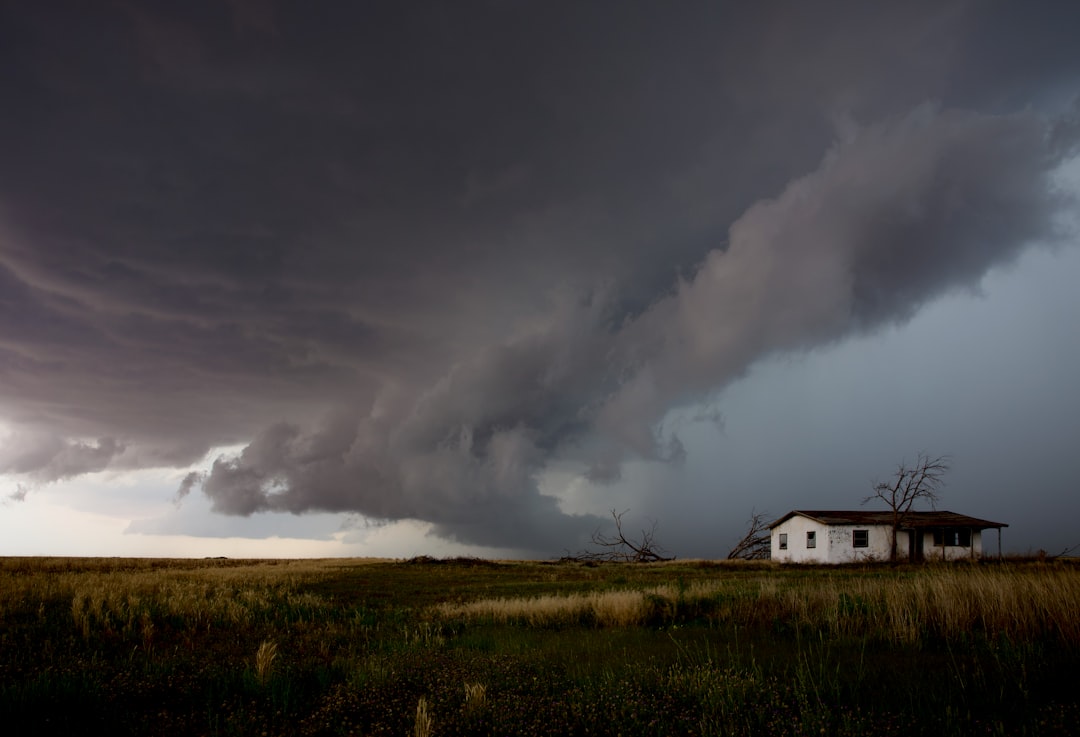
Living along the Gulf Coast means we get more than our fair share of extreme weather. From sudden tropical depressions to major hurricanes, our regional power grid is constantly put to the test. If you want to learn more about how to safeguard your property against severe coastal weather, read our guide on Whole House Generator Benefits for Hurricane Prone Areas.
How a Standby Generator Protects Your Home and Family by Preventing Water Damage
When a severe storm knocks out power, wind is only half the battle—water is often the costlier threat. For homeowners with basements or low-lying foundations, a sump pump is the only line of defense against flooding. If the power goes out during a heavy downpour, your sump pump stops working, which can lead to catastrophic indoor flooding. A single flooded basement can easily cost tens of thousands of dollars in structural restoration and mold remediation.
Additionally, winter storms can bring freezing temperatures to our region. Without a heating system running, indoor temperatures can plunge below freezing, causing water pipes to expand and burst. A single burst pipe during a winter freeze can cause upwards of $10,000 in water damage. By keeping your HVAC system and sump pumps powered, a standby generator prevents these costly disasters from ever taking root.
How a Standby Generator Protects Your Home and Family from Carbon Monoxide
One of the most critical reasons why how a standby generator protects your home and family is a matter of life and death comes down to carbon monoxide (CO) safety. Carbon monoxide is a colorless, odorless, and tasteless gas that can be lethal within minutes.
According to federal safety data, carbon monoxide poisoning from improperly used portable generators causes an average of 70 deaths annually in the United States. Many of these tragedies occur because homeowners run portable units inside garages, on covered patios, or too close to open windows and doors in an attempt to keep them out of the rain.
Standby generators eliminate this hazard entirely. They are permanently installed outdoors on a solid concrete pad, positioned safely away from windows, doors, and vents in strict compliance with NFPA 37 (National Fire Protection Association) standards. Their heavy-duty, weatherproof enclosures are specifically engineered to direct exhaust fumes safely away from your living spaces, allowing your family to sleep soundly with absolute peace of mind.
Essential Home Systems Kept Running by Backup Power
A complete power outage does not just leave you in the dark; it disables the invisible network of systems that keep your household secure, clean, and connected. When we install a standby generator, we ensure that your most critical home systems remain completely functional.
For homeowners in Cypress, TX and surrounding areas, ensuring these systems stay online is incredibly easy. You can learn more about our local services by visiting our Whole House Generator Cypress TX page.
Some of the key systems kept running include:
- Home Security and Surveillance: Smart alarms, cameras, motion sensors, and automated gates require steady power. A standby generator keeps your security perimeter active, preventing your home from becoming a target during widespread blackouts.
- Well Water Pumps: If your home relies on a well water system, a power outage means you instantly lose access to running water for drinking, cooking, bathing, and flushing toilets. A standby generator keeps your well pump energized so your water supply never stops.
- Garage Doors and Smart Locks: When the power cuts out, motorized garage doors can trap your vehicles inside. A backup generator ensures you can always open your garage doors and enter your home safely.
Climate Control and HVAC Systems
In Southeast Texas, air conditioning is not a luxury—it is a health necessity. During the peak of summer, indoor temperatures in a home without AC can quickly climb past 90°F, creating dangerous living conditions, especially for children, the elderly, and pets. High humidity levels can also promote rapid mold growth within your walls and ductwork.
A professionally installed standby generator provides the high starting wattage required to run your central air conditioner or heating system. If your HVAC system is experiencing issues or needs to be inspected before generator integration, our team is always ready to help; check out our specialized Generator Repair Katy TX page for reliable local assistance.
Medical Equipment and Food Preservation
For families who manage chronic health conditions, a power outage is a direct medical emergency. Life-support equipment—such as oxygen concentrators, CPAP machines, home dialysis units, and motorized hospital beds—requires a continuous, clean electrical supply. Furthermore, many critical medications, such as insulin, must be kept continuously refrigerated to remain effective.
Even for healthy households, food preservation is a major concern. Power outages cost U.S. homeowners an average of $150 per incident in spoiled refrigerated food alone, with extended outages easily reaching $500 or more in ruined freezer inventory. A standby generator keeps your refrigerators and freezers running continuously, saving you money and keeping your food supply safe.
Sizing and Professional Installation for Reliable Protection
A standby generator is not a plug-and-play appliance. It is a sophisticated piece of industrial machinery that must be perfectly integrated into your home's electrical panel and fuel infrastructure. To understand the long-term value and planning involved in this upgrade, check out our Whole House Generator Investment Guide 2026.
Determining Your Home's Power Load
Sizing a standby generator correctly is the most important step in the entire process. If a generator is too small, it will overload and shut down when high-draw appliances try to start. If it is too large, you will waste fuel and pay for capacity you do not need.
To size a generator, we calculate two distinct types of electrical loads:
- Running (Running Watts): The continuous electricity required to keep an appliance operating once it is turned on (such as light bulbs or a refrigerator).
- Starting (Surge Watts): The brief, high-power spike required to start an electric motor (such as the compressor in your central air conditioner). Starting wattage can be two to three times higher than running wattage.
Our certified electricians conduct a precise load calculation to determine the exact kilowatt (kW) rating your home requires for safe, seamless coverage. If you are in the Deer Park area, you can learn more about how we handle this process on our Whole House Generator Installation Deer Park TX page.
The Importance of Professional Maintenance
Just like your car, a standby generator relies on an internal combustion engine that requires routine maintenance to remain reliable. Over time, engine oil degrades, filters clog, and batteries lose their charge.
To ensure your generator works perfectly when you need it most, it should undergo:
- Weekly Exercise Cycles: Modern standby generators are programmed to automatically start and run for 12 to 20 minutes every week. This self-test circulates engine oil, charges the starter battery, and runs diagnostic checks to confirm the system is ready.
- Annual Professional Inspections: A certified technician should inspect your fuel lines, change the engine oil and filters, replace spark plugs, and verify that the automatic transfer switch is operating flawlessly.
- Battery Replacement: The generator's starting battery should be replaced every 2 to 3 years as a preventive measure.
For comprehensive maintenance and emergency support across the Houston area, you can rely on our team. Visit our Generator Service Houston TX page to schedule your annual tune-up.
Frequently Asked Questions about Standby Generators
What size standby generator do I need for whole-home protection?
The ideal size depends entirely on your home's square footage, the number of air conditioning units you have, and whether your appliances run on electricity or gas.
- Gas-appliance homes typically require a generator between 14 kW and 18 kW to power the entire house.
- All-electric homes with electric water heaters, ranges, and clothes dryers generally require a larger unit, typically between 20 kW and 26 kW.
A professional load calculation is the only way to ensure your generator is perfectly matched to your home's unique power profile.
How long can a standby generator run continuously?
As long as your generator has a steady fuel supply and is properly maintained, it can run continuously for several days or even weeks. If your system is connected to a municipal natural gas line, your fuel supply is virtually unlimited. However, during an extended outage, you should shut the generator down briefly every 24 to 48 hours to check the engine oil level and add oil if necessary. Most standby generators require a complete oil and filter change after every 100 to 200 hours of continuous operation.
Does a standby generator increase home resale value?
Yes! A permanently installed standby generator is highly attractive to homebuyers, especially in areas prone to severe weather and grid instability. On average, a standby generator can increase your home's resale value by 3% to 5%. Homeowners often recoup a significant portion of their initial investment upon resale, while enjoying unmatched safety and comfort in the meantime.
Conclusion
At the end of the day, understanding how a standby generator protects your home and family brings us back to one core concept: peace of mind. Knowing that your lights will stay on, your home will remain comfortable, and your family will be safe—no matter what the weather does outside—is an invaluable feeling.
At Mackey Services, we have spent 30 years helping our neighbors in the Greater Houston Area maintain unwavering comfort in their homes. As a family-owned business with an A+ BBB rating, we pride ourselves on delivering reliable, top-tier electrical and generator solutions.
If you are ready to secure your home's power supply, we invite you to explore our Generator Installation League City TX services or contact us directly through our main Mackey Services Generator Solutions page today. Let's make sure your home is ready for whatever comes next!
Ready for a better day?
One call handles it all — HVAC, electrical, and generators across the Texas Gulf Coast. Less to pay. Better day. That's the Mackey way.
Mon–Fri: 7 AM – 8 PM · Sat: 8 AM – 5 PM · Licensed & insured · #TACLA 112769C · #TECL 558211